Showing posts with label Review Drug Abuse. Show all posts

Wednesday, March 8, 2023

Drug Abuse and illicit trafficking - Commemorate International day

Drugabuse-alk.blogspot.com - International day against drug abuse and illicit trafficking, or World Drug Day, is marked on date 26 June every year.
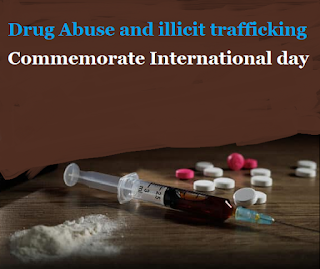
Drug Abuse and illicit trafficking - Commemorate International day
Drug Abuse and illicit trafficking

The International Day Against Drug Abuse and Illicit Trafficking is observed every year on June 26th, To strengthen action and cooperation in achieving a world free of drug abuse. This day is dedicated to raising awareness about the negative consequences of drug abuse and the impact of illicit drug trafficking on society.

Drug abuse is a serious problem that affects millions of people worldwide. This can have devastating consequences on an individual's overall health, relationships, and well-being. In addition, drug trafficking is a global issue that poses a significant threat to public safety and security. It fuels organized crime, undermines the rule of law, and undermines economic and social development. So Every year, individuals, communities and organizations around the world, from civil society to the private sector, join forces to celebrate World Drug Day to help raise awareness of the major problem drugs pose to society.

The United Nations Office on Drugs and Crime (UNODC) is the lead agency responsible for the promotion of the International Day Against Drug Abuse and Illicit Trafficking. The UNODC provides support to countries around the world in their efforts to prevent drug abuse and combat illicit drug trafficking. The theme for the 2021 International Day Against Drug Abuse and Illicit Trafficking was "Share facts on drugs. Save lives".

the International Day Against Drug Abuse and Illicit Trafficking is an important opportunity to raise awareness about the negative consequences of drug abuse and the impact of illicit drug trafficking on society. It is essential to take a comprehensive and balanced approach to drug policy, which includes prevention, treatment, law enforcement, and efforts to promote social and economic development. By working together, we can make progress in the fight against drug abuse and illicit trafficking and create a safer, healthier, and more prosperous world.

Tuesday, March 7, 2023

Understanding the Risks and Seeking Help | Alcohol and Drug

Alcohol and drug abuse are serious problems that can have significant impacts on our physical, emotional, and social well-being. Substance abuse can lead to addiction, impaired judgment, and a range of other health and social problems. In this article, we will explore the risks associated with alcohol and drug abuse, as well as the importance of seeking help if you or someone you know is struggling with addiction.


The Risks of Alcohol and Drug Abuse

The risks associated with alcohol and drug abuse can vary depending on the substance and the individual. However, common risks include:


  •     Addiction: Regular use of drugs or alcohol can lead to addiction, making it difficult to quit without professional help.
  •     Impaired judgment: Drugs and alcohol can impair your judgment, making it difficult to make safe decisions or respond appropriately to situations.
  •     Physical health problems: Substance abuse can lead to a range of physical health problems, including liver disease, heart disease, and neurological damage.
  •     Mental health problems: Substance abuse can also lead to mental health problems, including anxiety, depression, and psychosis.
  •     Social problems: Substance abuse can lead to a range of social problems, including job loss, financial problems, and strained relationships with family and friends.


Seeking Help for Alcohol and Drug Abuse


If you or someone you know is struggling with alcohol or drug abuse, it is important to seek help. The first step in seeking help is acknowledging that there is a problem and being willing to make changes. Here are some steps you can take to seek help:

  •     Talk to a trusted friend or family member: Talking to someone you trust can help you feel less alone and provide support as you begin to seek help.
  •     Contact a healthcare provider: Your healthcare provider can help you assess the extent of the problem and recommend appropriate treatment options.
  •     Consider attending a support group: Support groups, such as Alcoholics Anonymous or Narcotics Anonymous, can provide a safe and supportive environment for people struggling with addiction.
  •     Seek professional treatment: Professional treatment options for addiction include inpatient and outpatient programs, counseling, and medication-assisted treatment.
  • The importance of seeking help for alcohol and drug abuse cannot be overstated. Addiction is a chronic disease that requires ongoing support and treatment. With the right help and support, it is possible to overcome addiction and live a healthy and fulfilling life.

Thursday, March 1, 2012

Alcohol and Drugs Can Kill You | Abuse


------------------------------------------------------------------------------------------------
Introduction
------------------------------------------------------------------------------------------------
Alcoholism, Drug Abuse and other drugs is one of the more controversial issues in our society, and often in the talk a source of conflict between generations and between sections of society. It's not the purpose of this page to tell people how to behave or to seek to label them as alcohol or drug abusers. Alcohol and other drugs are powerful substances with a potential to harm users or to tempt them into over-indulgence, so it is important to take care of yourself when considering using them and to avoid taking any risks which you might regret later.

No universal classification of what constitutes unhealthy use exists. Many classifications ignore the fact that alcohol and drug use is an accepted part of many social sets. What is seen as risky behaviour by one group is accepted as normal by another.

Use of drink and drugs can be classified as:
  1. Habitual - The use of alcohol or drugs have become a significant and important part of the person's life-style. Stopping would not be easy.
  2. Dependent - There is a high degree of physical and psychological addiction. Alcohol and drug use disrupts or rules the person's life. Stopping is not possible without considerable support.
  3. Controlled - People have made a conscious decision, have evaluated the risks and can stop if they want.
  4. Impulsive - Use is unpredictable and can lead to unexpected accidents and harm. However there is not continual use or dependency.
  5. Abstinent - No use is made.

------------------------------------------------------------------------------------------------
Consequences
------------------------------------------------------------------------------------------------
  • If you are wondering about your drink or drug use, have you considered the following?

------------------------------------------------------------------------------------------------
Psychological consequences
------------------------------------------------------------------------------------------------
  • Are you using drink or drugs to escape from a problem which you might be able to solve if you faced it? If so you may be perpetuating your shyness, anxiety, depression, unhappiness etc.
  • Don't permanently change our world. They allow us to feel a temporary confidence or happiness, but the effect is usually one of borrowed time. Often the unhappiness or anxiety returns even more strongly once the effects wear off.
  • Can cause psychological problems by themselves. Alcohol can commonly cause depression; drugs can also cause depression, or can trigger anxiety or even psychosis (loss of reality).

------------------------------------------------------------------------------------------------
Social consequences
------------------------------------------------------------------------------------------------
  • Drink and drugs very expensive, so uncontrolled use can lead to financial problems.
  • Pronounced use of drink or drugs tends to rigidly define social groups, so it may limit your circle of friends.
  • Continual or large scale use of alcohol has a bad effect on most people's sex-life.
  • You can quite easily end up in trouble with the law. Although drinking alcohol is legal, it can lead to assault and driving when drunk. Similarly, although the law may turn a blind eye to personal use of certain drugs, this attitude is not consistent. Sentences for any supplying drugs can be heavy and unpredictable. Any conviction for drink or drugs offences may severely limit the opportunities open to you in the future.
 
------------------------------------------------------------------------------------------------
Physical Consequences
------------------------------------------------------------------------------------------------
    Alcohol and Drug Abuse
  • Drink and drugs definitely lowers people's ability to resist harming themselves when they have problems.
  • Drink and drugs can lower people's inhibitions against hurting others.
  • Drink and drugs greatly lessens people's ability to say no to unwanted sexual encounters which they would have definitely avoided had they been sober.
  • Many serious accidents are drink and drug related.
  • There are long-term health risks.

All these things will not happen to everybody. You may be lucky and avoid any serious mishaps. However, all these consequences are seen routinely enough by anyone involved in welfare work to suggest they are not exaggerated or unusual.

------------------------------------------------------------------------------------------------
Taking Control
------------------------------------------------------------------------------------------------
If you want to take more control of your use of drink or drugs the following suggestions may help.
  • Make a list of the advantages and drawbacks of your alcohol and drug use which are personally significant to you. The above list of possible consequences may help focus your mind. Then decide whether you would like to lessen the disadvantages.
  • Keep a diary of your consumption over a week. Be honest about the amounts you are using. Consider whether you could limit your intake by changing your routine so as not to put you in tempting situations.
  • Talk to someone whom you trust about your use. See if they feel you have cause for concern.
------------------------------------------------------------------------------------------------
 What can others do to help?
------------------------------------------------------------------------------------------------
Be supportive, especially when the person first decides to deal with his or her problem. Making the changes necessary to deal with drug or alcohol abuse is not easy. They often involve major changes in a person's lifestyle, friendships and ways of coping. Let the person know that you are supportive of their progress.
Help identify and deal with high-risk situations. These are situations (a wedding, for example) where a person is at risk of using drugs or abusing alcohol.
Remember that change takes time, as long as the problem took to develop it is going to take some time to resolve. If a person slips, encourage them to get back on track and figure out what happened, so they can avoid it next time.

(Information compiled from various sources, especially the Centre for Addictions and Mental Health booklets for Guided Self-Change)

Teen Drug Abuse Affect Brain Development

Drug abuse by Teenagers
Is
a growing problem that affects many families and communities across the world. Drugs are substances that alter the body's natural functioning, leading to physical and psychological changes. Teenagers are particularly vulnerable to drug abuse due to peer pressure, stress, curiosity, and a desire to escape their problems. However, the consequences of drug abuse can be devastating, including addiction, academic failure, mental health problems, criminal activity, and even death.

One of the most common drugs abused by teenagers is marijuana. Marijuana is a psychoactive drug that can affect memory, attention, and learning. Frequent use can also lead to respiratory problems, depression, anxiety, and increased risk of addiction to other drugs. Moreover, marijuana use can impair driving skills, leading to accidents and injuries.

 Another drug that is frequently abused by teenagers is alcohol. Alcohol is a depressant that can lead to impaired judgment, memory loss, and loss of coordination. Teenagers who abuse alcohol are also more likely to engage in risky behavior, such as unprotected sex or driving under the influence. Alcohol abuse can also lead to long-term health problems, including liver damage and addiction.

Prescription drugs, such as painkillers, stimulants, and sedatives, are also commonly abused by teenagers. Many teenagers believe that prescription drugs are safer than illegal drugs because they are prescribed by a doctor. However, prescription drugs can be just as dangerous, leading to addiction, overdose, and even death. Moreover, prescription drug abuse can lead to the use of illegal drugs, as teenagers may turn to drugs like heroin when they can no longer obtain prescription drugs.

Teen drug abuse can also be a sign of underlying mental health problems, such as anxiety, depression, or trauma. Some teenagers may turn to drugs as a way of coping with these issues, but this can often make the situation worse. Drug abuse can lead to a range of mental health problems, including depression, anxiety, and psychosis.

Preventing teen drug abuse is crucial for the health and well-being of teenagers. Parents, teachers, and healthcare professionals can play an essential role in preventing drug abuse by educating teenagers about the dangers of drugs, setting clear expectations and boundaries, and providing support and resources for those who may be struggling. Early intervention is critical, as the earlier drug abuse is detected, the more effective treatment can be.


The effects of different types of drugs on teenagers include:
 
Irritability, insomnia, convulsions, anxiety, paranoia, violent behavior, memory loss, learning problems, increased heart rate, lethargy, panic attacks, symptoms of chronic bronchitis, daily coughs and phlegm, more frequent chest colds, muscle tension, teeth clenching, dehydration, hypothermia, brain damage, and death. By Jennifer Bailey